
How Did Green Chile Get Here
We were on a road trip to the west coast when I was asked the official New Mexico question. Green chile or red chile?
We had pulled off I-25 near Socorro to grab some lunch at a ma and pa local Mexican restaurant that had good reviews on-line.
I ordered enchiladas which caused the waitress to ask the big question. Red, or green? Both, I said. They were delicious. Mildly spicy which kind of sums up New Mexico chile.
Earlier that day we had pulled off I-25 for a quick visit to Hatch, NM home to the famous green chile fields. There really isn’t much to the little town itself. A handful of buildings, a couple of stores and cafes. But surrounded by acres and acres of green chile plants under cultivation.
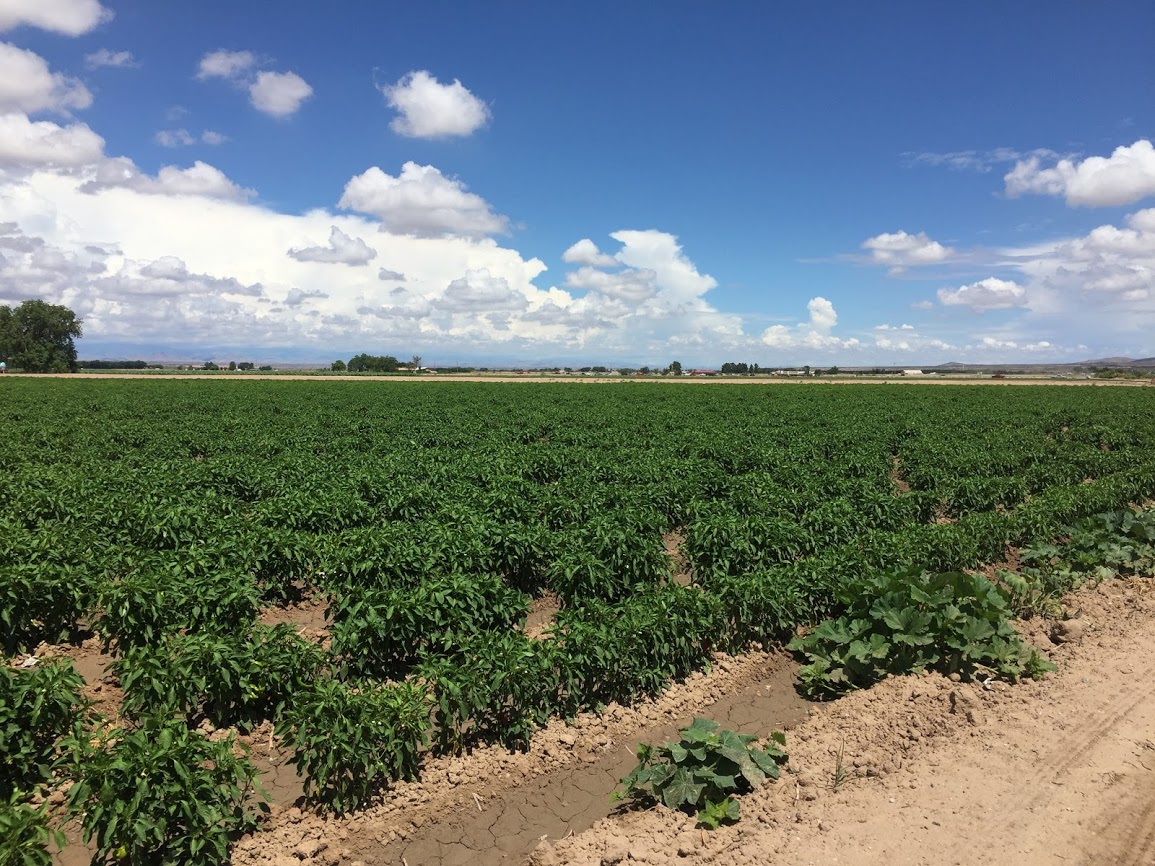
We had stopped in early July and harvest time was at least a month away. We were weeks away form the annual Hatch Chile Festival which usually happens the Saturday and Sunday of Labor Day weekend.
A celebration of New Mexico chile, thousands of folks from all over over descend on Hatch to buy, taste and generally revel in their favorite chile peppers.
Technically not a pepper but rather a fruit pod, all chile varieties are thought by scientists to have originated in South America.
“The very first chile peppers evolved around Bolivia in South America,” said Paul Bosland, a New Mexico State University Regents Professor and director of the Chile Pepper Institute. “The early wild peppers were very small and round and spread, probably by birds, for tens of thousands of years to the southern portion of the United States and all the way to the tip of Chile and Argentina.”
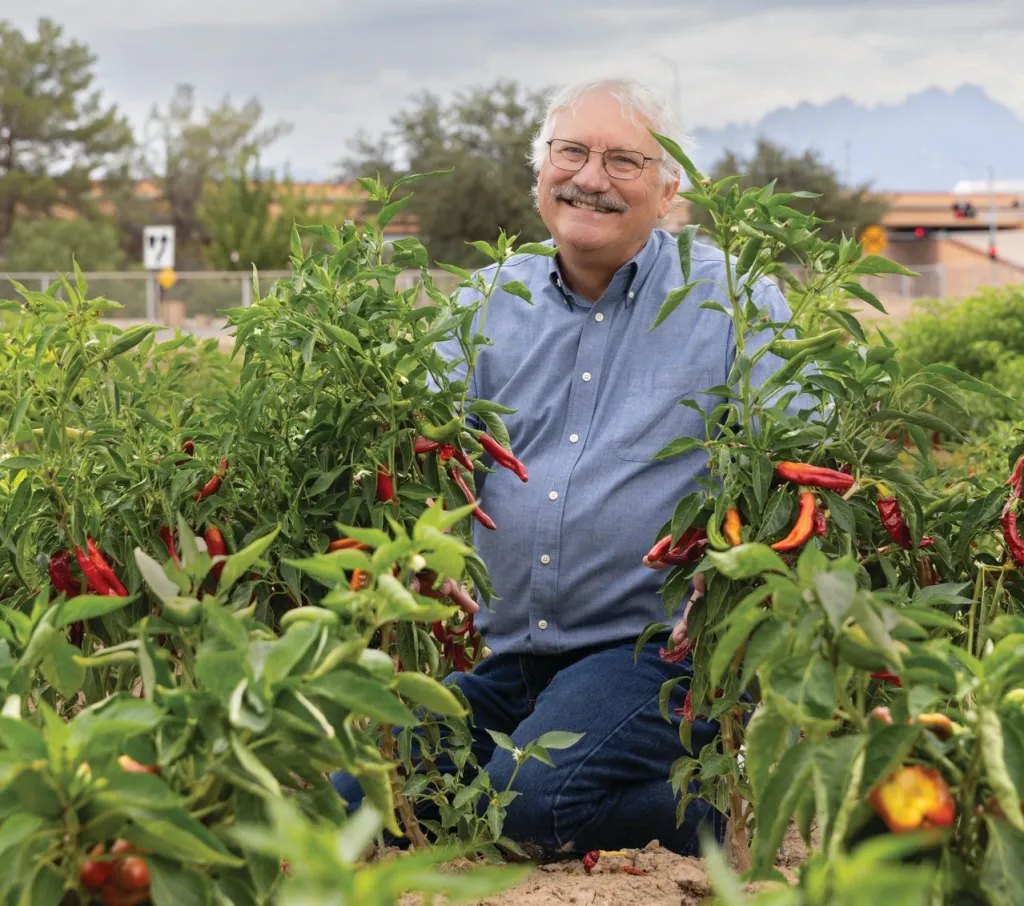
Photo by Gabriella Marks
Spread by birds? Yup.
Big shoutout to bird poop!
It turns out birds do not have the receptors in their mouths to feel the heat in chile peppers.
Chile peppers have chemical compounds called capsaicinoids which is where the heat comes from and scientists think chile plants probably developed them as a self defense means to keep mammals from eating them.
So migrating birds eat the chile pods, ingest the seeds, fly off and poop them out along the way thus spreading the plants. For this imagery, you are very welcome.
In Mexico, Central and SouthAmerica, Inca, Maya and Aztec civilizations had been cultivating and using chile pods in their cuisine along with other uses for thousands of years. The plants also found their way to the Caribbean islands during this time.
And then, oh look. Here comes Christopher Columbus.

Columbus is historically connected to the arrival of chile pods to Europe and of course Spain. He called them “red pepper” because the pods he took with him were red in color and pungent.
Chile quickly spread through the spice trade across Europe, and on to the rest of the old world.
But let’s get back to New Mexico.
No one knows for sure when chile made it’s way into New Mexico. Director of The Chile Pepper Institute at New Mexico State University, Dr. Paul Bosland says there is no physical evidence yet, the native Pueblos may have cultivated chile along with corn and beans for medicinal uses.
But it is documented that chile came to the state with the arrival of the Spanish from Old Mexico in the 1500’s. Most chile was grown is small back yard plots and varied wildly in pod size and heat. There was no standardized types of chiles like we see today.
In the early 1900’s a brilliant botanist by the name of Fabian Garcia working at the New Mexico State College of Agriculture wondered if by means of cross breeding, a chile pepper variety could be developed that would appeal to non-hispanics.
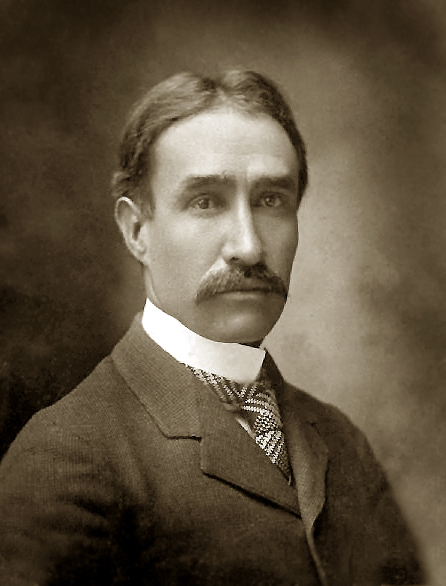
It took him ten years of hard work hybridizing dozens of chile varieties. In 1913 he introduced the “New Mexico Number Nine” variety of green chile that was mild with a uniform pod size and made it available to farmers in southern New Mexico. It was widely grown and became very popular.
“It became the basis for all the Mexican food in the United States,” said Bosland.
“So, Fabian Garcia is really the father of the Mexican food industry in the United States.”
He also turned out to be the father of a new agricultural opportunity for New Mexico farmers. Thousands of acres New Mexico 9 green chile were soon being raised. Garcia continued his work in cross hybrids, introducing several more varieties of chile.
New Mexico Green Chile Farms
While green chile is grown in various locations throughout New Mexico, the Hatch valley in the southern part of the state just north of Las Cruces along the Rio Grande river has become the most famous.
Hatch farmers grow several varieties of Hatch green chile, including the largest, Big Jim, Joe E Parker, 6-4 (another Fabian Garcia cultivar) 1904, a mild variety, Sandia which is a hotter chile and a newer variety called X-Hot Lumbre, developed by the Chile Pepper Institute at NMSU.
Unique growing conditions are said to be big factors in the flavor of Hatch green chile. With hot days and cool nights, dry air with little humidity and sandy well drained soil all all factors.
Most of the chile is harvested while still green and on the verge of fully ripening. The chiles turn red when fully ripened. The red pods are used to make the red sauce, dried and ground into chile powder, dried and strung together to make decorative chile ristras and wreaths.
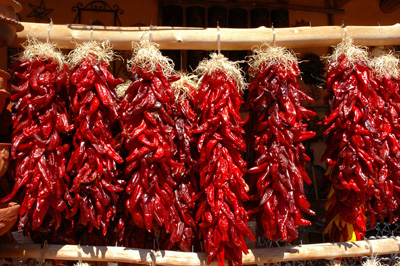
And yes, you can take dried red chile pods, stem and de-seed them and use a spice grinder to make your own chile powder or rehydrate them in warm water and make a sauce.
Hatch green chile from New Mexico. For those who like it mild or hotter, it’s good eats.